

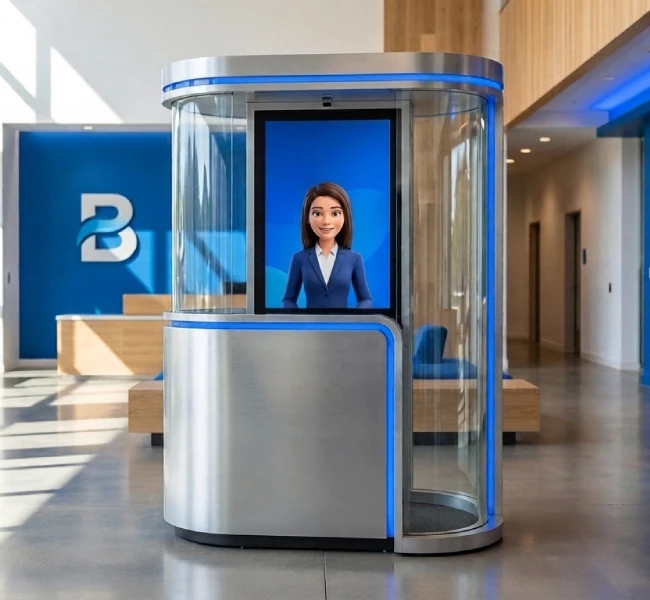
Missed calls often mean missed business, especially for small companies that cannot always staff a front desk during every business hour. An AI receptionist is one tool that Detroit small businesses are using to make sure calls, messages, and appointment requests are handled consistently, even when staff are busy or unavailable. This guide explains what an AI receptionist actually does, how it works, and what to consider before adding one to your business.
What Is an AI Receptionist
An AI receptionist is a software-based system that answers phone calls, responds to common questions, and manages basic scheduling tasks using artificial intelligence rather than a live person. It can be set up to answer in a business’s name, follow specific scripts, and route calls or messages based on what the caller needs.
Unlike a basic voicemail system, an AI receptionist can hold a conversation, understand common requests, and take action, such as booking an appointment or forwarding an urgent call to the right staff member.
How an AI Receptionist Works
Most AI receptionist systems use a combination of speech recognition and natural language processing to understand what a caller is saying, then match that request to a predefined set of responses or actions. For example, if a caller asks about business hours, the system can answer directly. If the caller wants to schedule an appointment, the system can check availability and book the time slot, often syncing with the business’s existing calendar.
More advanced setups can also integrate with a business’s broader systems, including customer relationship management software or AI workflow automation tools, allowing information from a call to flow directly into other parts of the business without manual data entry.
Why Detroit Small Businesses Are Using AI Receptionists
Detroit’s small business community spans a wide range of industries, from local service providers to retail and professional offices. Many of these businesses share a common challenge: limited staff availability during peak call times, after-hours inquiries, or busy seasons.
An AI receptionist can help address this by answering calls consistently, regardless of the time of day or how many calls come in at once. This is particularly useful for businesses that rely on phone inquiries for scheduling, such as service providers, clinics, and appointment-based businesses.
Common Features of an AI Receptionist
Not every AI receptionist system offers the same set of features, but most include a core set of capabilities that address common front-desk tasks.
| Feature | What It Does |
|---|---|
| Call answering | Picks up incoming calls automatically, without requiring staff to be available |
| Appointment scheduling | Books, reschedules, or cancels appointments based on caller requests |
| FAQ handling | Answers common questions about hours, location, or services |
| Call routing | Directs urgent or complex calls to the appropriate staff member |
| Message taking | Records detailed messages when a live response is not available |
| System integration | Syncs with calendars or other business software to keep information current |
Benefits of an AI Receptionist for Small Businesses
Small businesses adopt AI receptionists for several practical reasons, most of which relate to consistency and time savings.
- Calls are answered during business hours and after hours, reducing missed opportunities
- Staff spend less time on routine phone tasks and more time on core work
- Appointment scheduling happens automatically, reducing back-and-forth communication
- Call handling remains consistent, even during busy periods or staff turnover
- Basic customer questions get answered immediately, without waiting for a callback
What to Consider Before Adding an AI Receptionist
Before implementing an AI receptionist, it helps to think through how it will fit into your current operations. Consider what types of calls your business typically receives and how many of them follow a predictable pattern, since these are the calls an AI receptionist handles most effectively. More complex or sensitive conversations may still need to be routed to a staff member.
It is also worth considering how the AI receptionist will connect with your other systems, such as your calendar, customer database, or website design and development setup, since a well-integrated system reduces the amount of manual work required to keep information consistent across platforms.
How an AI Receptionist Fits Into a Broader Growth Strategy
An AI receptionist typically works best as one part of a larger system rather than a standalone tool. When paired with an updated website and other automated processes, it can create a more complete experience for customers, from their first visit to your site through booking an appointment over the phone. Businesses looking at this kind of setup can review our page on website and AI business growth solutions to see how these tools work together.
For Detroit businesses specifically, having a system that can handle after-hours calls or overflow during busy periods can matter during seasonal demand shifts or local events that temporarily increase call volume beyond what in-house staff can manage alone.
Getting Started With an AI Receptionist
Implementing an AI receptionist usually starts with reviewing your current call patterns, including peak call times, common caller requests, and how calls are currently handled when staff are unavailable. From there, the system can be configured to match your business’s specific needs, whether that means basic call answering and message taking or more advanced scheduling and integration with other software.
Testing the system with real call scenarios before full rollout can help identify any adjustments needed, such as refining how the system responds to specific types of questions or ensuring calls are routed correctly to the right team members.
Learn More About AI Receptionists for Your Business
If missed calls or inconsistent scheduling are affecting your Detroit business, an AI receptionist may help address the gap. Every business has different call patterns and needs, so the right setup depends on your specific situation. Contact us to discuss whether an AI receptionist makes sense for your operations.
Frequently Asked Questions
How is an AI receptionist different from a call center?
A call center relies on live agents to answer calls, while an AI receptionist uses automated systems to handle calls, though both can be configured to escalate complex issues to a human when needed.
Can an AI receptionist handle appointment scheduling?
Yes, most AI receptionist systems can check availability and book, reschedule, or cancel appointments directly, often syncing with the business’s existing calendar system.
Will callers know they are speaking with an AI system?
This depends on how the system is configured. Some businesses disclose that callers are speaking with an automated system, while others focus on natural, conversational responses. Local regulations may also apply, so it is worth confirming current requirements.
Is an AI receptionist suitable for a small local business?
Yes, many small businesses, including those in Detroit, use AI receptionists specifically because they cannot staff a front desk around the clock but still want to answer calls consistently.
Does an AI receptionist replace the need for staff entirely?
In most cases, no. An AI receptionist typically handles routine calls and scheduling, while staff remain available for more complex conversations, sensitive issues, or situations that require personal judgment.
